THIS DOMAIN NAME GOSTORE.UK IS FOR SALE – SEE PRICE ON WWW.ABSHOT.COM
![[Fast-Drying Pet Feeding Mat] Splash-Proof, Absorbent, Easy to Cl...](https://m.media-amazon.com/images/I/41Lj5J43BgL._AC_.jpg)




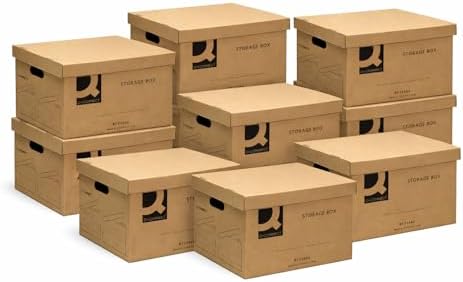


Understanding Temporary Storage Needs
When embarking on the adventure of moving house, one of the most significant considerations is the efficient management of belongings. Temporary boxes serve a critical role in this process. These versatile containers not only assist in the organization of items but also facilitate a smoother transition between various stages of moving. One primary reason individuals opt for temporary storage is downsizing, which involves reducing the number of possessions to fit into a smaller living space. This requires a strategic approach to ensure that essential items are easily accessible while less frequently used items can be securely stored away.
Another scenario where temporary boxes prove invaluable is during a transitional period between homes. This often involves a gap in possession of the new property, leaving individuals in need of an interim solution. Having a designated system for storage allows individuals to pack and unpack systematically, preventing chaos during the move. By planning storage requirements ahead of time, homeowners can avoid the last-minute rush associated with packing and loading items into a moving truck.
The benefits of utilizing temporary boxes extend beyond just organization. Flexibility is a notable advantage; individuals can select the size and quantity of boxes according to their specific needs. Moreover, this method of storage enhances accessibility, making it easier to retrieve essential items immediately instead of sifting through an entire truck of packed belongings. It is essential to factor in these considerations to optimize the moving process, ensuring that all items are stored thoughtfully and can be accessed with ease as needed. Ultimately, the smart use of temporary boxes can greatly streamline the complexities often associated with relocating, offering peace of mind during what can be a stressful time.



Choosing the Right Temporary Boxes
When preparing for a move, selecting suitable temporary boxes is crucial for ensuring that your belongings are stored safely and securely. Various types of boxes are available on the market, each designed to cater to different storage needs. It is essential to consider the material, size, and design of the boxes in relation to the items you intend to store.
For fragile items such as dishes, glassware, or electronics, opt for sturdy cardboard boxes with added cushioning, like bubble wrap or packing paper. Double-walled boxes provide extra protection, preventing breakage during transport. For bulky items such as clothing, linens, or toys, larger, lightweight boxes or plastic bins can accommodate your needs without adding excessive weight. Additionally, choosing boxes with handles can enhance maneuverability, facilitating easier lifting and stacking.
When evaluating sizes, consider not only the item dimensions but also the weight distribution. Overloading smaller boxes can lead to tears and damage. For heavy items, smaller boxes should be utilized, while lighter objects can be placed in larger containers. This approach ensures that the boxes remain manageable and less likely to collapse.
In terms of where to acquire temporary boxes, several options are available. Local moving supply stores or big-box retailers often carry a variety of sizes and styles. Many online marketplaces offer rental options, allowing you to return boxes after your move, which can be both economical and environmentally friendly. Additionally, consider seeking out second-hand boxes through community groups or marketplaces to save money while being sustainable.
To enhance box durability during your moving process, be sure to tape all seams securely and label each box with its contents and destination room. This meticulous process simplifies organization, and ensures the safe arrival of your possessions in your new home.
Best Practices for Packing and Storing Boxes
Packing items efficiently into temporary boxes is a critical step when moving house. Start by organizing your belongings. Group similar items together, such as kitchen utensils, books, or clothing, to create a systematic approach. This practice will not only streamline the packing process but will also simplify the unpacking phase. Utilize high-quality temporary boxes that can withstand the weight and pressure of stacked items, ensuring the safety of your belongings.
Labeling is another essential aspect of packing. Clearly mark each box with its contents and the room to which it belongs. This practice helps in quickly identifying what is inside each box upon arrival at the new location. Use a consistent labeling system, whether it’s color-coded labels or a numbering system, to aid in organization. Additionally, include any fragile items on labels to ensure careful handling during transportation.
When it comes to protective materials, make sure to use bubble wrap, packing paper, or blankets to cushion fragile items. This not only minimizes the risk of breakage but also ensures that the contents remain secure within their containers. For added protection, fill any empty spaces in boxes with packing peanuts or crumpled paper to prevent movement during transit.
Once the packing process is complete, focus on how to stack and store the boxes effectively. Place heavier boxes at the bottom of the stack and lighter boxes on top to maintain stability. When organizing the stored boxes, consider accessibility; items you may need sooner should be placed on top or within easy reach. Furthermore, maintaining an inventory list of stored items is highly beneficial. It will assist you in tracking your belongings and make locating specific items in your new home much easier.
Managing Temporary Storage During the Moving Process
When moving house, effectively managing temporary storage is essential to ensure a smooth transition. One of the most crucial aspects of this process is to coordinate the timing of box usage with your moving schedule. Begin by planning the timeline of your move and deciding how long you will need your temporary boxes. Consider packing non-essential items first, allowing for a gradual preparation that won’t overwhelm your schedule. By systematically packing items according to your plan, you will avoid scrambling at the last minute and ensure that you have all necessary items ready when required.
To facilitate access to frequently needed items, it is advisable to clearly label your temporary boxes. This labeling should include a brief description of the contents and the room where they belong. By doing so, you will save time and reduce frustration when searching for essential items during the transition. Keep a separate, clearly marked box for items that you anticipate will be needed immediately upon arrival at your new home, such as toiletries, basic kitchen supplies, and important documents. This practice not only assists in organization but also alleviates stress during the initial days in your new environment.
Managing any additional storage facilities or spaces used during the move should also be considered. If utilizing a rental storage unit, research the available options carefully. Ensure that the location is convenient for you, as this will help minimize unnecessary travel. Furthermore, keep track of when you access these facilities to avoid creating a chaotic situation where items may become misplaced. A well-organized plan that prioritizes proper access to temporary storage will significantly reduce the overall stress associated with moving house and lead to a smoother relocation experience.
Contact information — Please use contact form on http://www.abshot.com/contact/